Ideas, designed to be read.
Mind Sherpa brings together books, writing and audiovisual work by Carlos Lavado. My work has extended across cover design, digital editorial production, visual identity, web and video editing.
Rather than separate commissions, this case reads them as one publishing system: how an idea acquires a cover, becomes a reading experience and continues across screen and moving image.
FORMS.
A book begins before the first page.
Readers meet a publication as a thumbnail, title, cover and description before it becomes a reading experience. For Mind Sherpa, design creates continuity between recognition, publication and reading.
A cover has seconds to create a question.
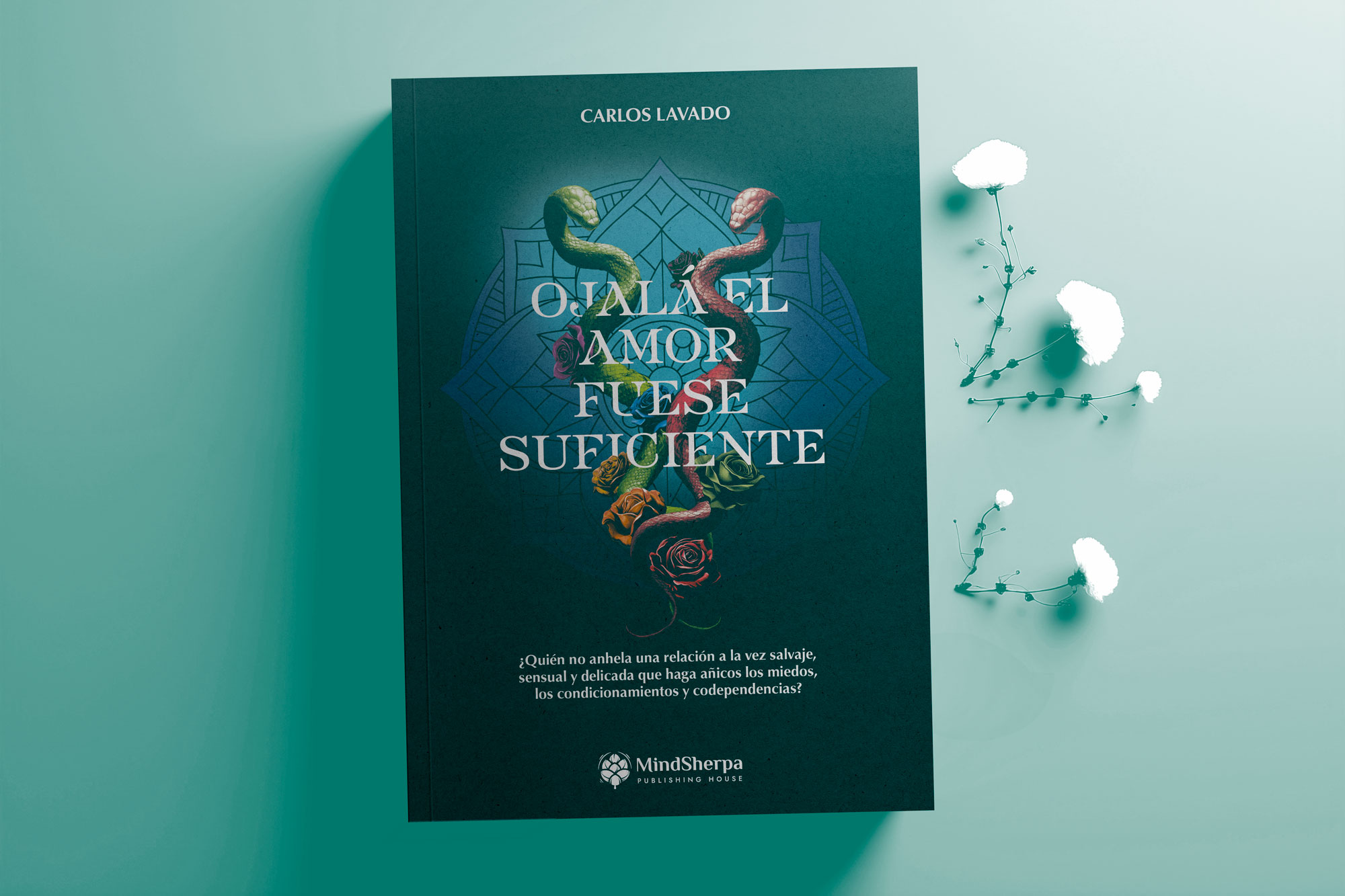
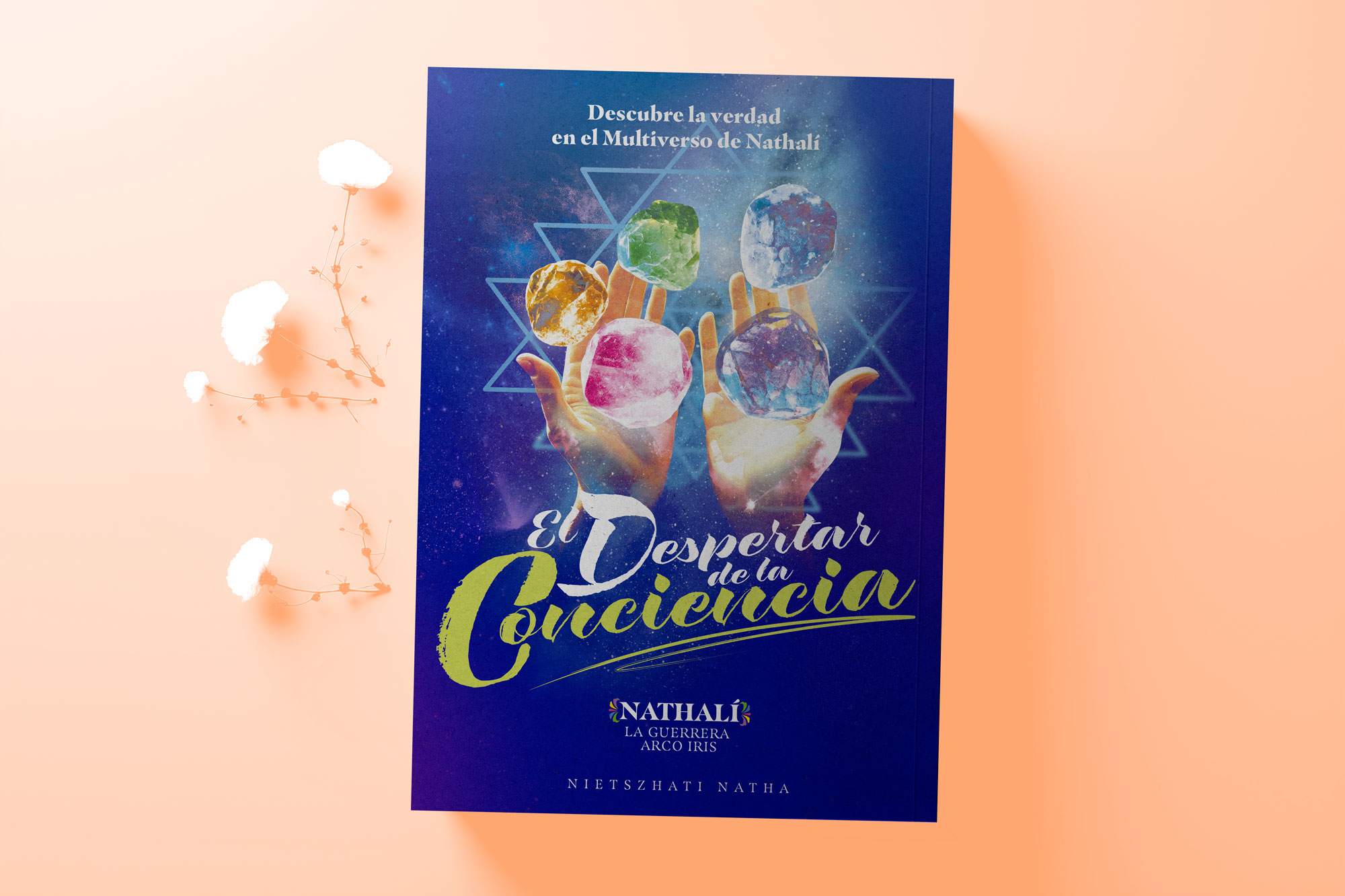
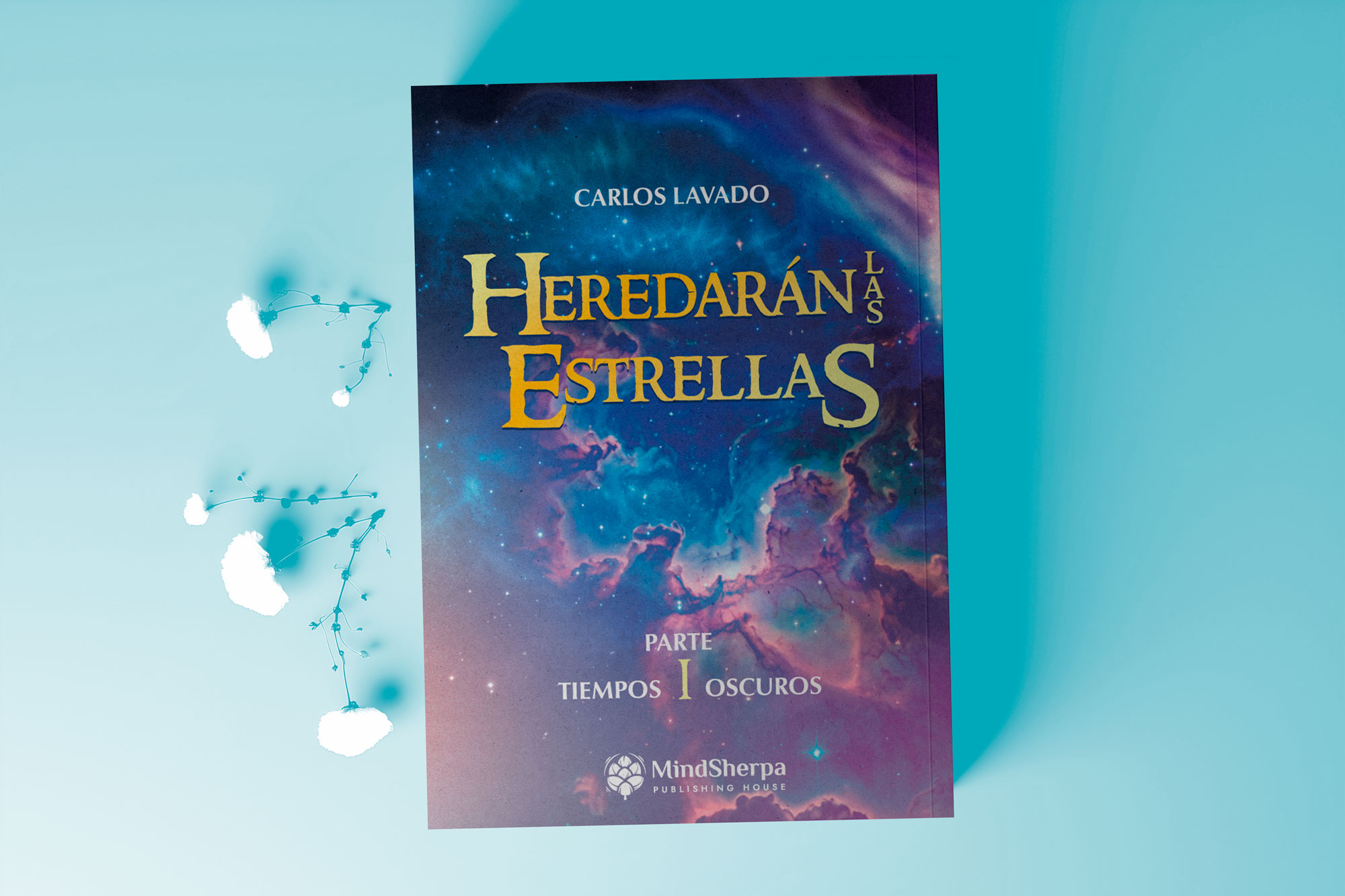
Book covers operate simultaneously as image, typography and proposition. They need recognition at thumbnail scale, detail at full size and enough individuality to belong together without becoming identical.
ORIGINAL PROFESSIONAL WORK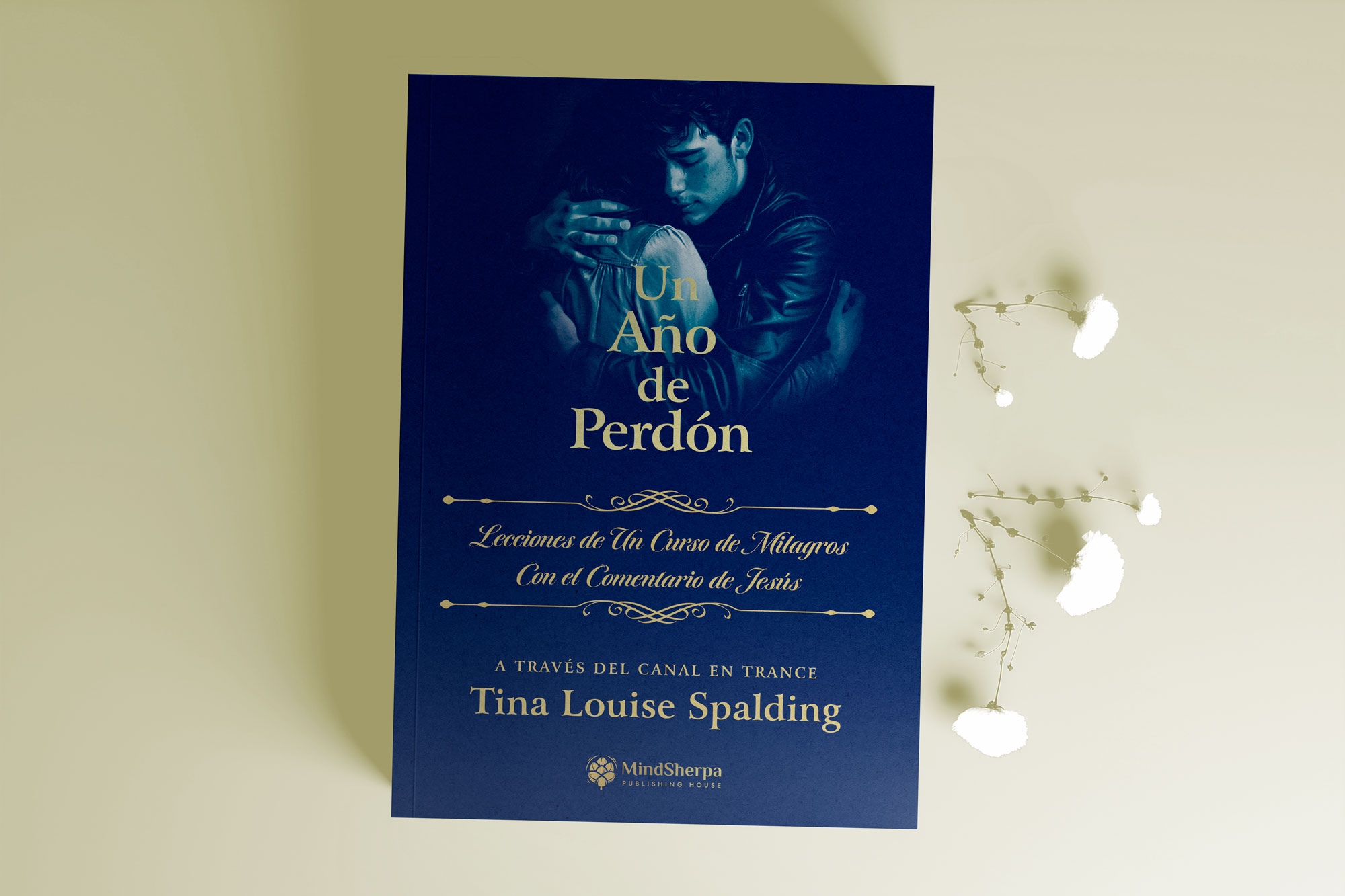
Title, image and recognition at three distances.
A strong cover must remain legible as an Amazon or Kindle thumbnail, a catalog image and a full-size composition. Contrast and hierarchy carry recognition between scales.
Different books should feel related without becoming identical.
Continuity comes from author identification, metadata hierarchy and production rules. Image, color, composition, title scale and texture remain free to respond to each publication.
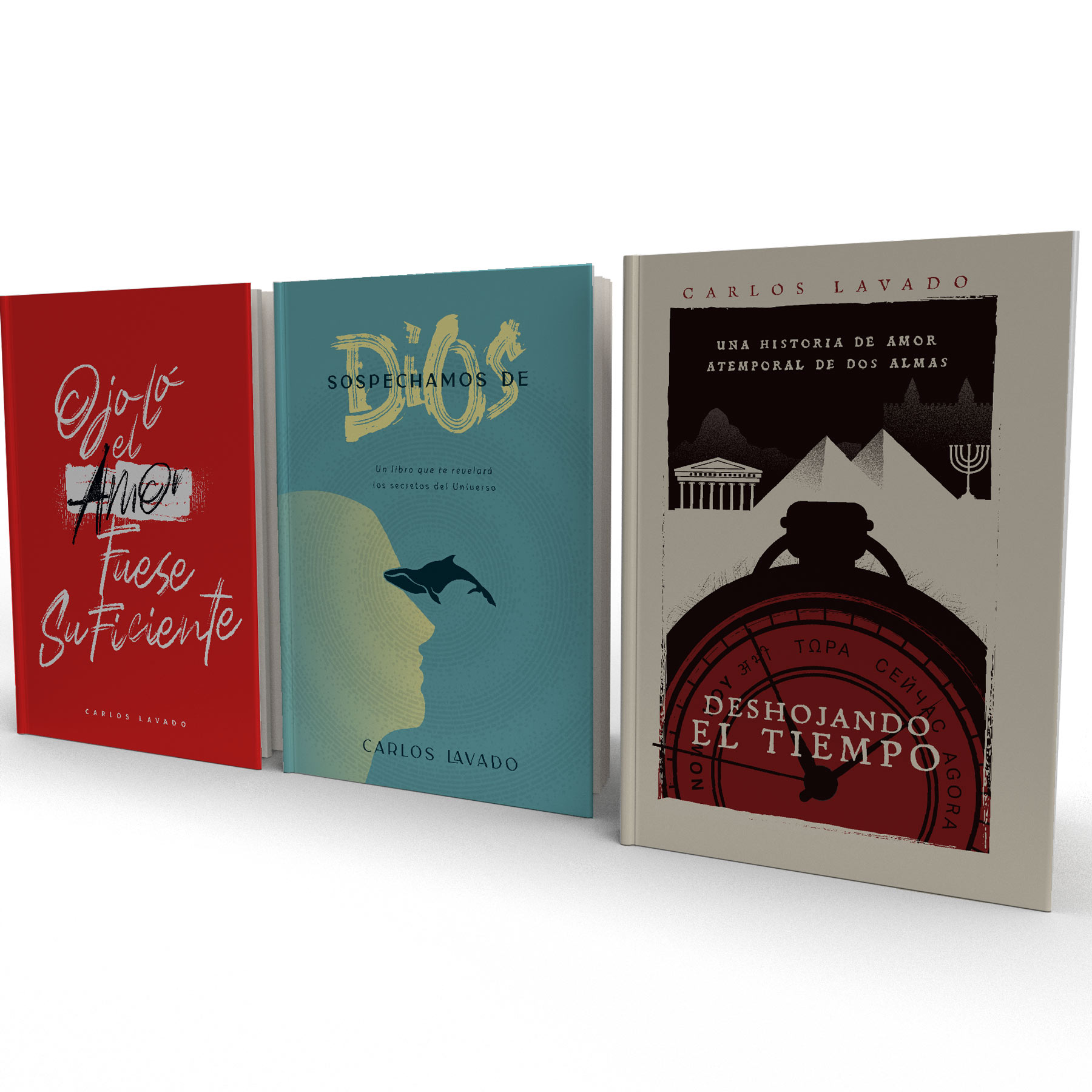
The cover earns attention. The interior has to sustain it.
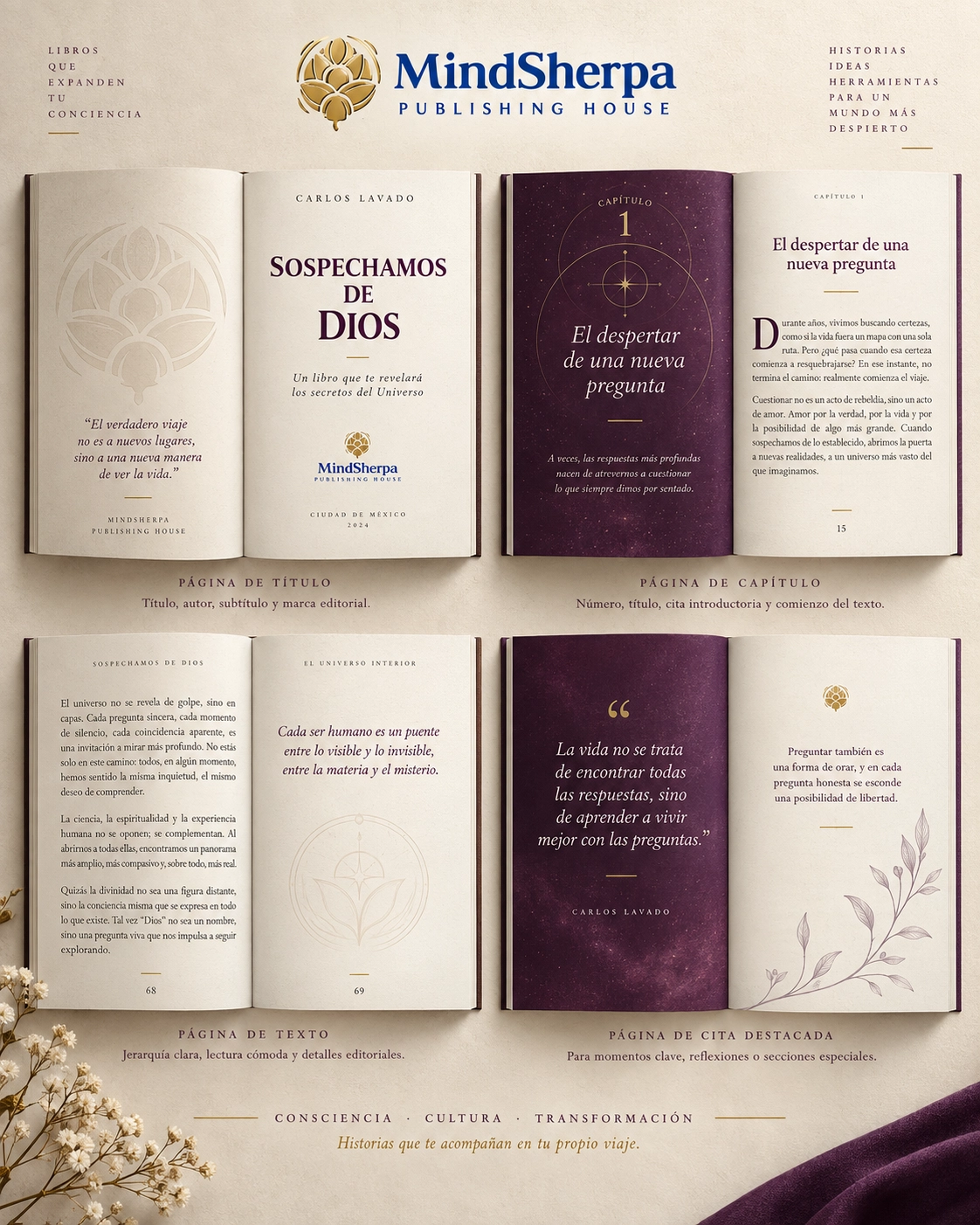
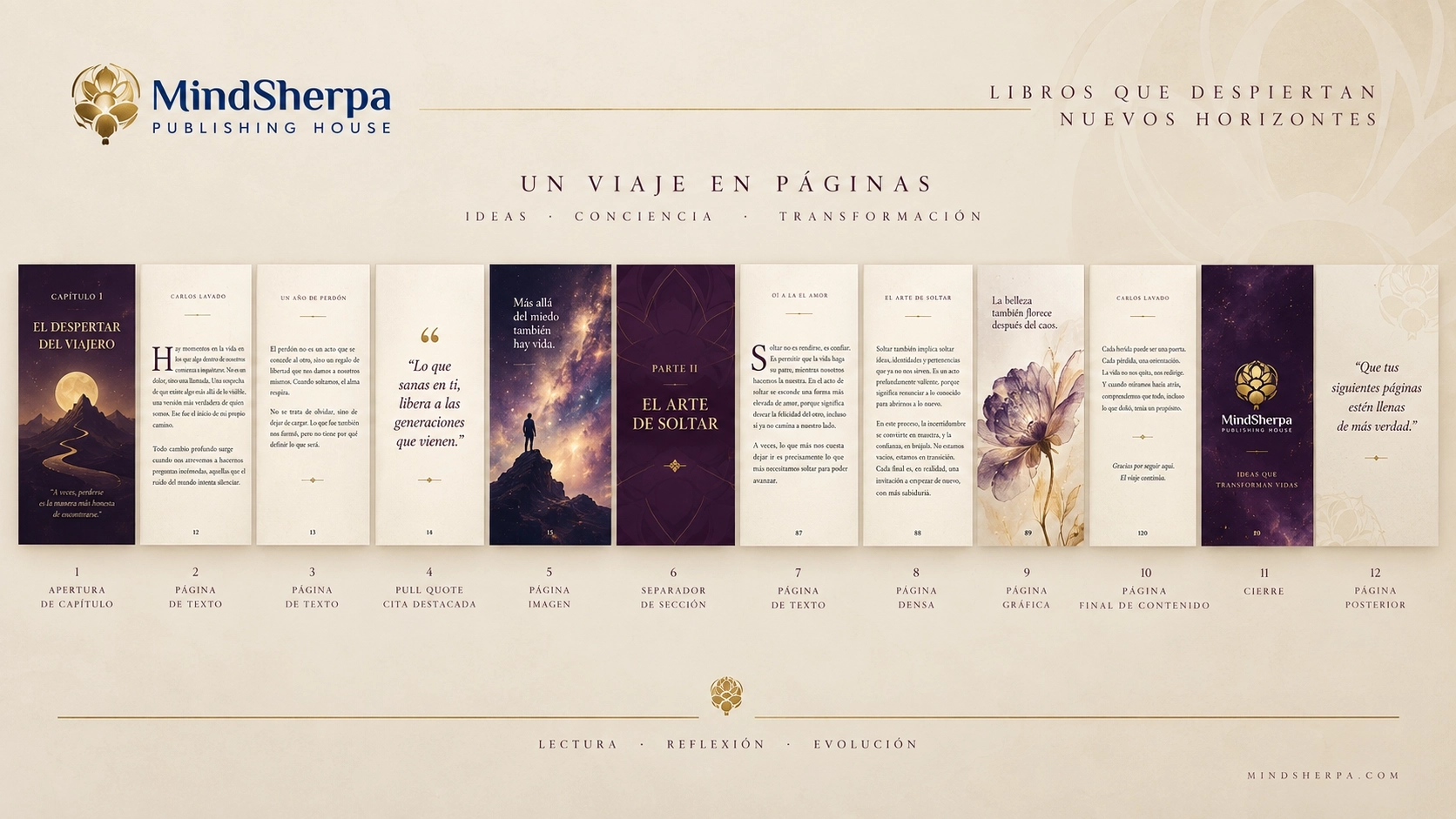
Once the book opens, spectacle gives way to rhythm. Chapter openings, headings, paragraphs, spacing, quotations and navigation support long-form reading without interrupting it.
ORIGINAL PROFESSIONAL WORKTITLE PAGE
Mind Sherpa / Carlos Lavado
CONTENTS
Mind Sherpa / Carlos Lavado
CHAPTER
Ideas need a structure that lets the reader remain inside the argument.
BODY TEXT
Mind Sherpa / Carlos Lavado
QUOTATION
Mind Sherpa / Carlos Lavado
REFERENCES
Mind Sherpa / Carlos Lavado
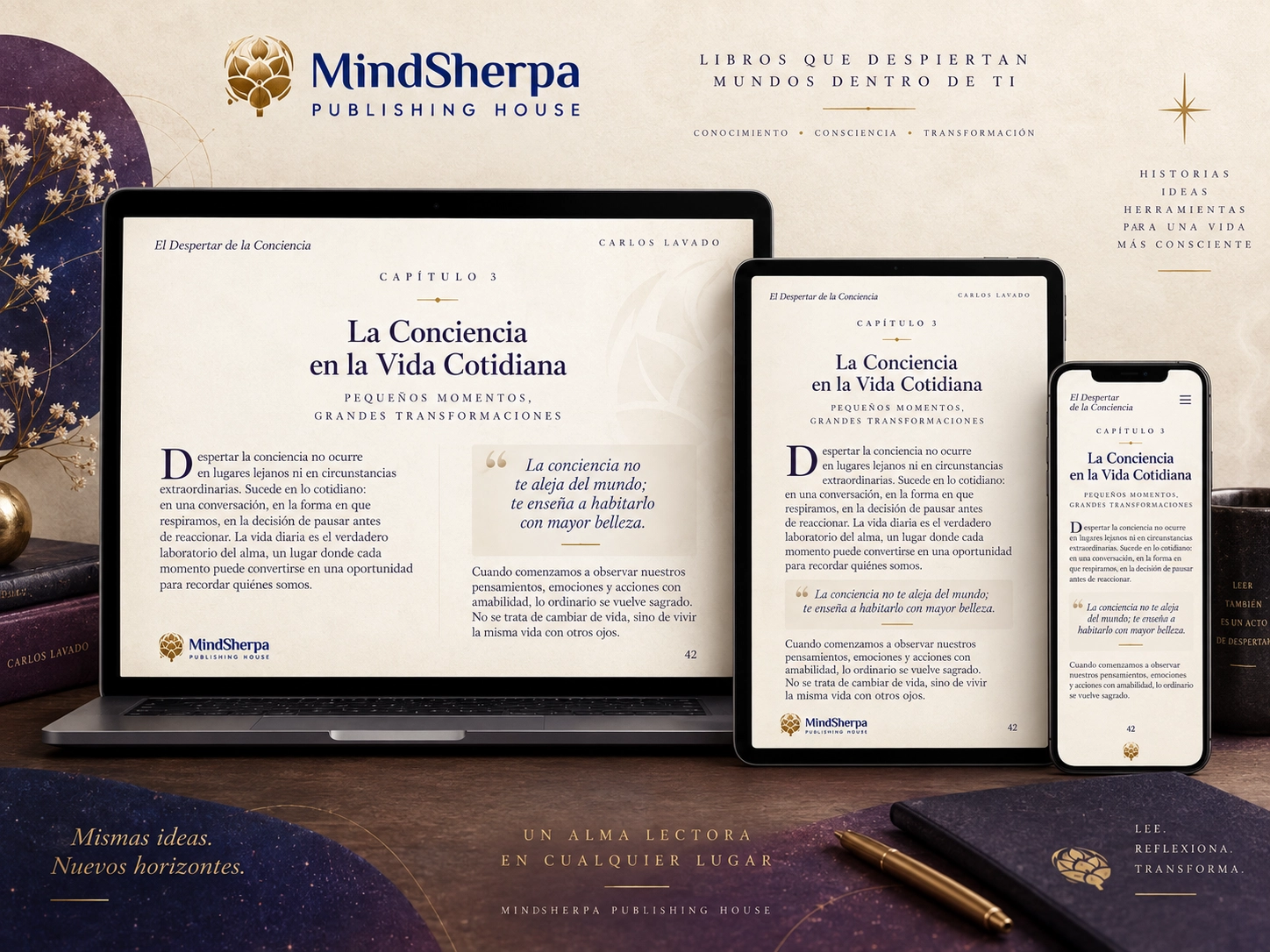
Designing for a page that can change size.
On Kindle, screen size, font size and line length change. The hierarchy must survive reflow instead of depending on a fixed page composition.
ORIGINAL PROFESSIONAL WORKCHAPTER 04
The form of an idea
The reading system preserves title, chapter, section and body relationships as available width changes.
Content continues through reflow.
CHAPTER 04
The form of an idea
The reading system preserves title, chapter, section and body relationships as available width changes.
Content continues through reflow.
CHAPTER 04
The form of an idea
The reading system preserves title, chapter, section and body relationships as available width changes.
Content continues through reflow.
Structure that survives hundreds of pages.
Long-form reading relies on repeated relationships, not isolated font choices. Each level must remain recognizable through repetition.
ONE BODY
OF IDEAS.
PART / 02CHAPTER 04
The shape of attention
Body paragraph — a comfortable measure supports sustained reading across a longer argument.
“The hierarchy should be felt before it is named.”CAPTION / NOTE / DIVIDER
Editorial design happens across pages, not inside one page.
Dense sections create concentration. Openings reset. Short passages accelerate. Images interrupt. White space creates pause. A publication is designed as a sequence.
Editorial design also has to survive the file.
Hierarchy, images, spacing, metadata and structural divisions need to remain reliable when the work enters the reader’s device. Production knowledge connects visual decisions with publishing constraints.
One book can generate many points of entry.
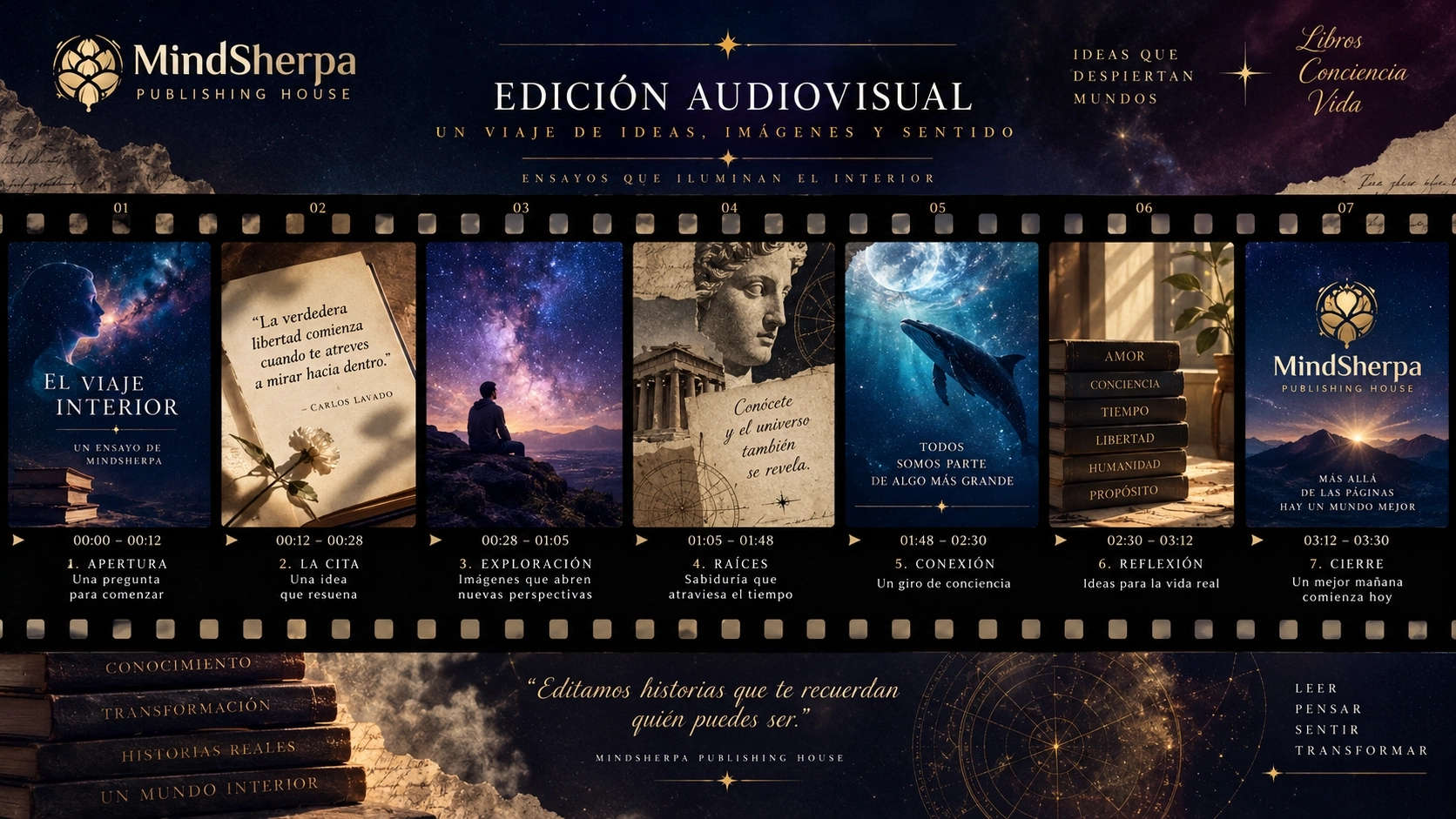
A chapter can become an essay, a passage an excerpt and a concept a video. The book remains the source rather than being reduced to promotional content.
An identity quiet enough to let the work speak.
Recognition frames the publications without imposing one appearance on every title. Typography, color and recurring composition establish continuity across publishing and digital communication.
ORIGINAL PROFESSIONAL WORK
A home for work designed to outlive the feed.
The website gives publications, ideas and audiovisual material a shared place organized around subjects and relationships rather than chronology.
ORIGINAL PROFESSIONAL WORK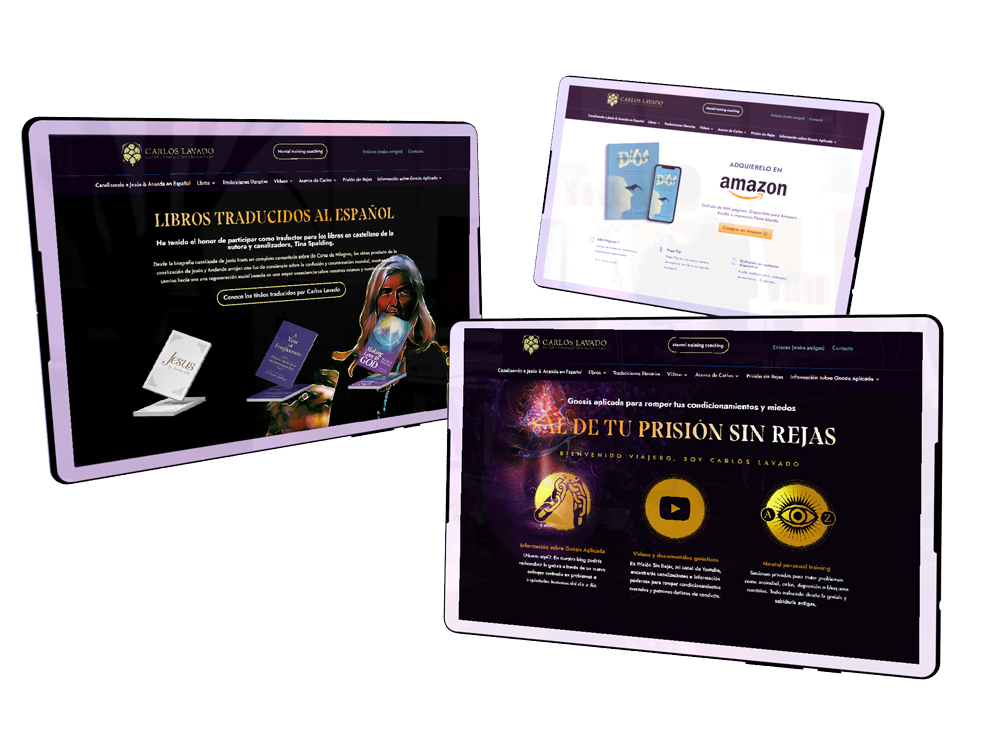
Let the book remain the protagonist.
A publication page gives context without reducing the work to a generic ecommerce card: cover, synopsis, format, language, selected passage and related material.
HEREDARÁN
LAS ESTRELLAS
A selected publication presented through its own voice, visual character and relationship to the wider body of work.
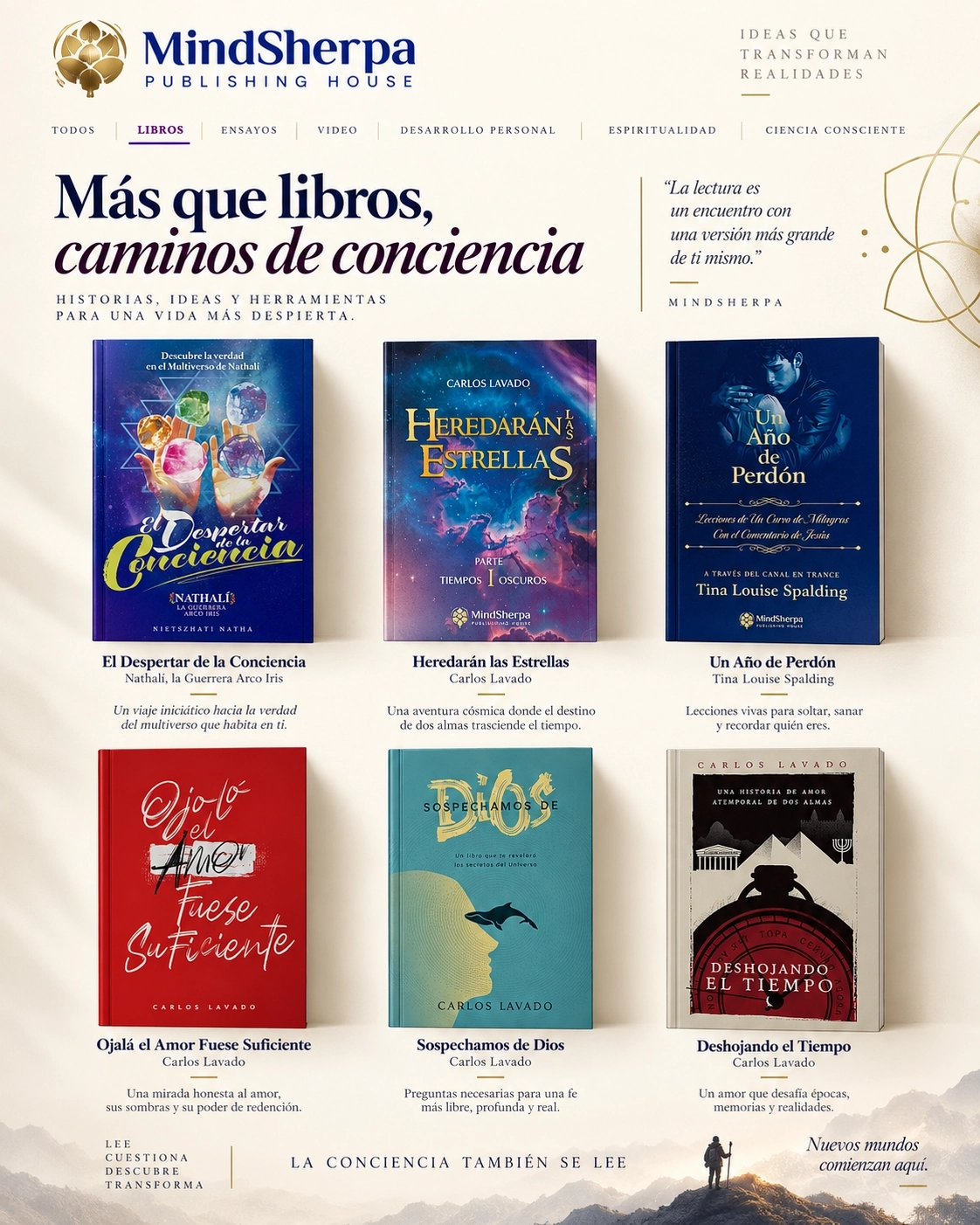
FORMAT / DIGITALLANGUAGE / SPANISHRead selected passage →From individual titles to a body of work.
A catalog organizes publications by subject, format or thematic relationship while preserving the individuality of each cover.
When the page starts moving.
My audiovisual work extended the publishing identity into moving image through video editing, typography and the organization of visual material. The role was editing and related visual work—not filming or cinematography.
ORIGINAL PROFESSIONAL WORK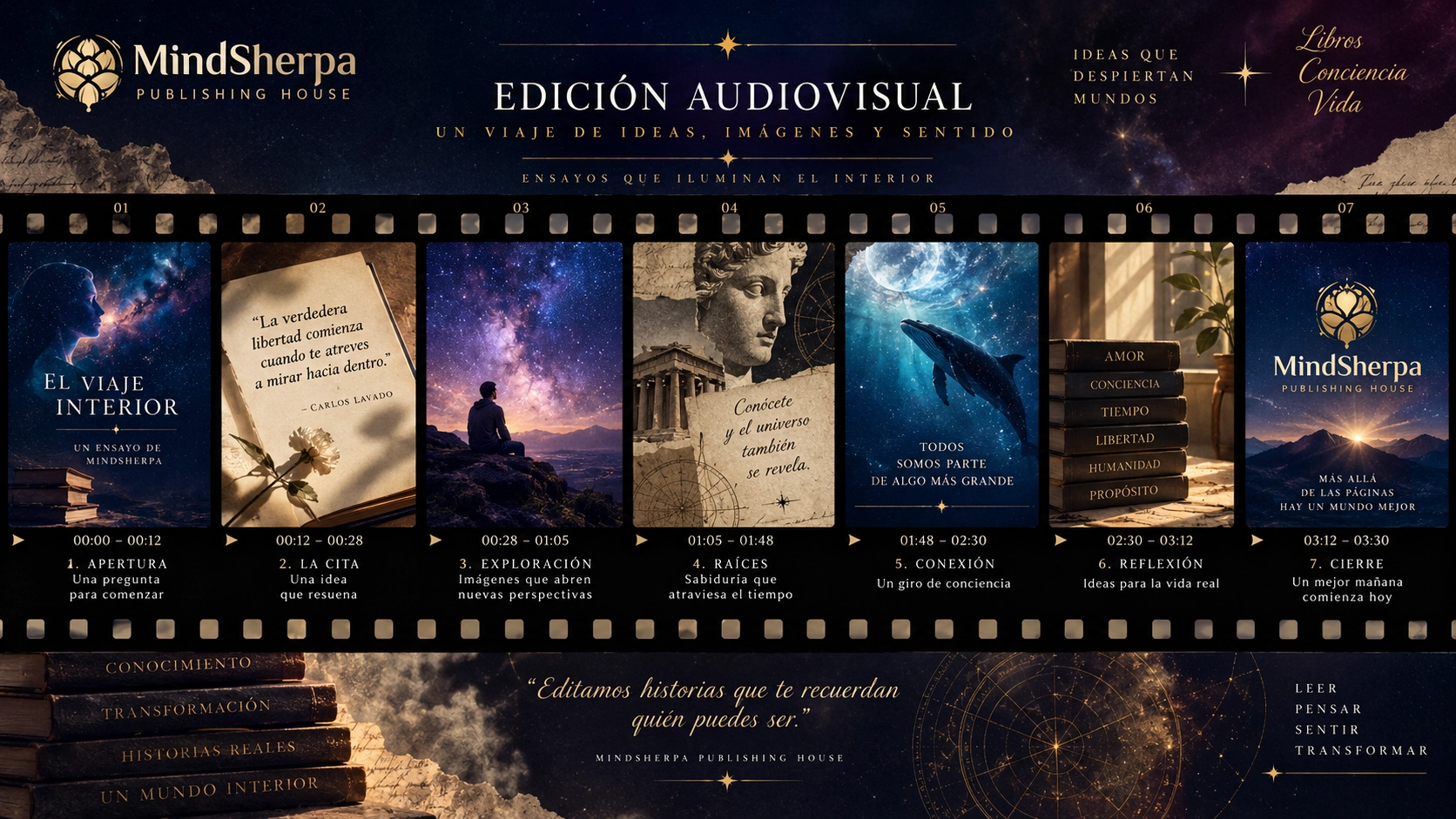
Publishing in moving image.
A playlist of audiovisual work connected to the books, ideas and editorial practice.
Open playlist on YouTube ↗Editing turns material into an argument.
Footage, photographs, archive, titles, narration and music become coherent when their sequence establishes meaning. The edit controls what appears, for how long and what comes next.
The hierarchy changes when it has duration.
Titles, quotations, names and transitions use editorial sensitivity while adapting scale and duration to audiovisual pacing.
The medium changes. The voice remains recognizable.
Cover creates recognition. The book sustains reading. Web supports discovery. Video organizes time. Identity creates continuity.
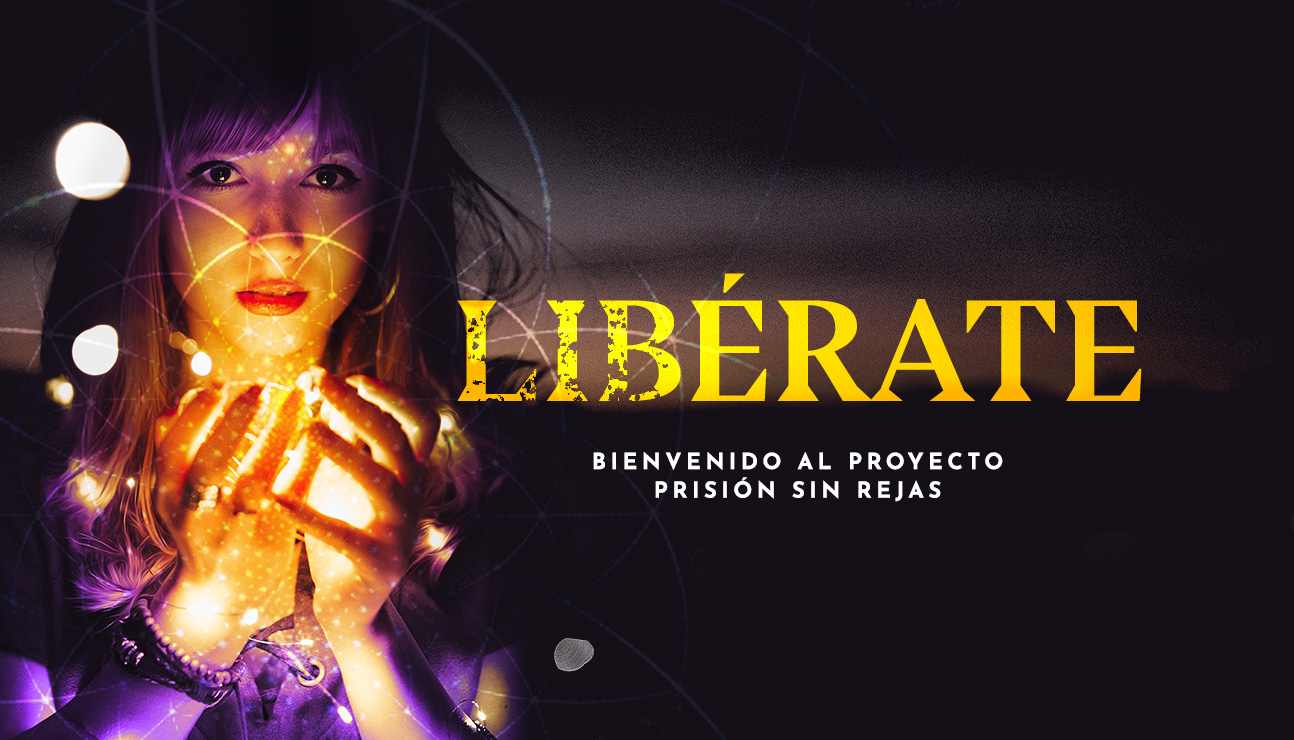
WEB
VIDEO
The work as it was produced.
The covers, editorial publications, identity, website and audiovisual pieces shown here were developed as professional work for Mind Sherpa and Carlos Lavado. Together they form an ongoing body of work across publishing, digital communication and moving image.
ORIGINAL PROFESSIONAL WORK
Turning individual publications into a publishing system.
Recurring structures across covers, hierarchy, reading, themes, digital discovery and audiovisual adaptation can become a more explicit editorial system without rewriting the history of the original work.
Designing a book means designing how an idea travels.
A cover has seconds to attract attention. A book supports hours of reading. A website makes the work discoverable. A video organizes ideas through time. The common problem is giving content the right form for the medium carrying it.