Infrastructure,
made understandable.
OK Hosting grew from a hosting provider into a broader technology business. As its offer expanded across infrastructure, software, security and managed services, the challenge became larger than redesigning a website: the company needed a digital language capable of organizing complexity.
This retrospective case study revisits my previous work with OK Hosting and explores how I would extend that system today across brand, product and customer experience.
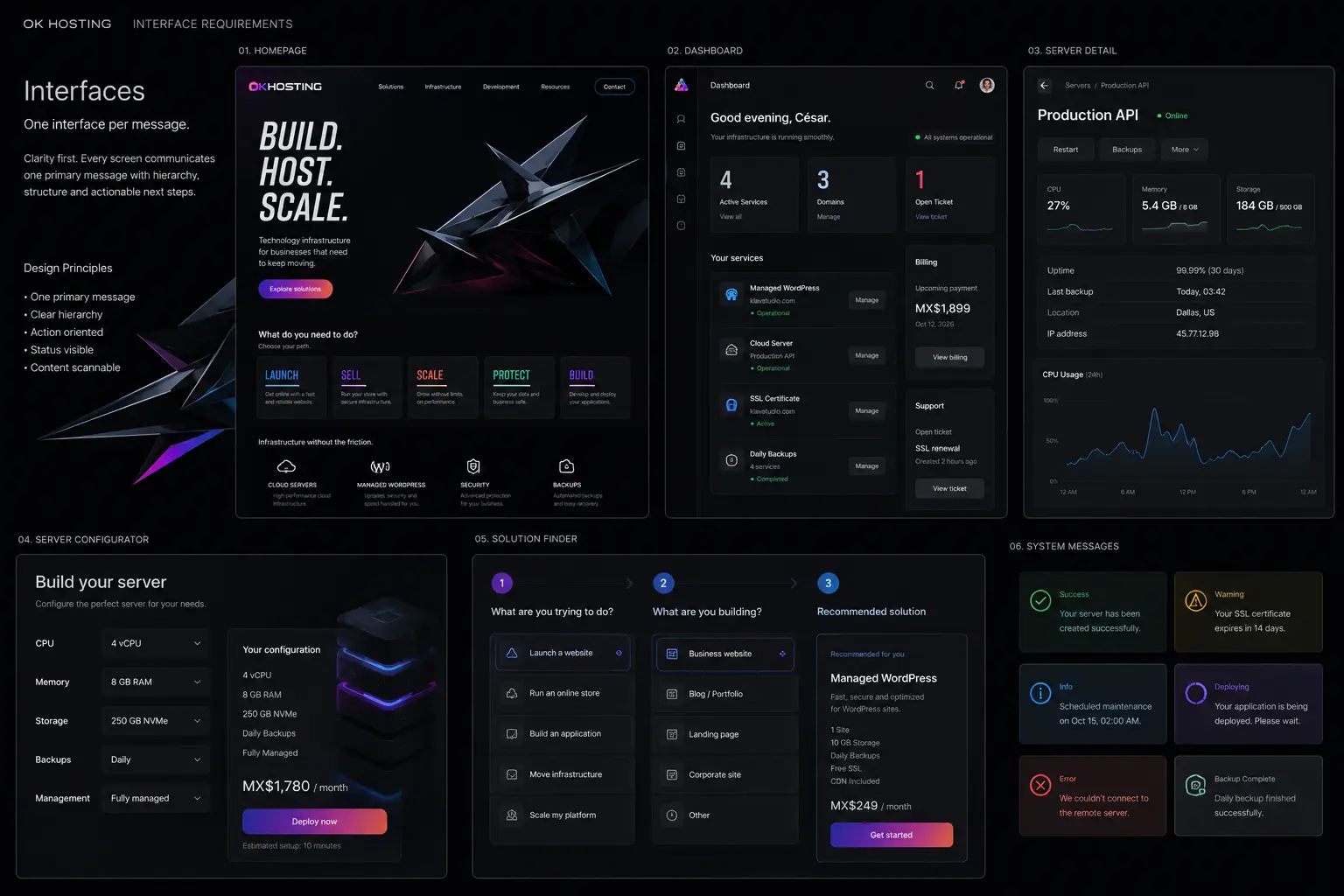
A hosting company becoming a technology company.
Hosting businesses tend to accumulate services faster than they accumulate clarity. Domains, shared hosting, VPS, dedicated servers, cloud infrastructure, SSL, software development, support and security may all belong to the same company, while customers arrive with much simpler questions: How do I launch my business? How do I keep my website online? How do I sell? How do I scale? Who manages this when something breaks?
The opportunity was to reorganize the experience around customer intent rather than the company's internal catalogue.
Make infrastructure feel controllable.
Infrastructure is largely invisible. Customers rarely see the servers, routing, databases or processes behind a digital service. What they experience instead is speed, availability, confidence and the ability to act.
The visual system translates that invisible infrastructure into a language of status, hierarchy and control. Dense technical information is paired with large typography, strict grids and a high-visibility green used as a functional signal for action, availability and system state.
Clarity before decoration
Technical information should be easy to scan.
Status must be visible
Active, secure, deployed and available should feel immediate.
Complexity needs hierarchy
Advanced systems can remain powerful without looking chaotic.
One language across the business
Marketing, product and support should feel like parts of the same company.
DEPLOY
SCALE
Start with the problem, not the server.
Traditional hosting navigation assumes that customers already understand the technology they need. A customer-led structure reverses that logic. Instead of asking visitors to choose between technical products first, the system begins with the outcome they are trying to achieve and progressively introduces the infrastructure behind it.
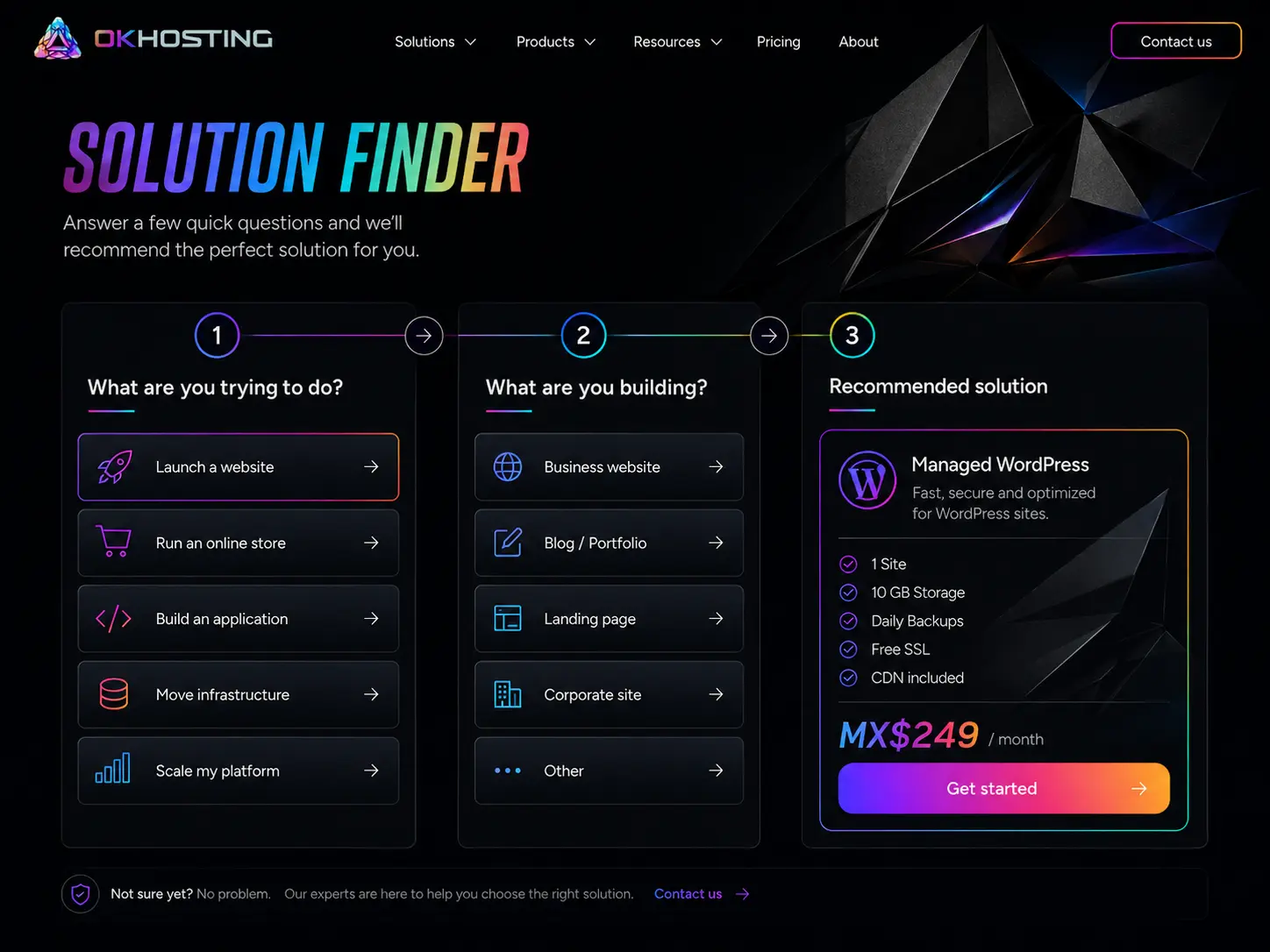
A website built around decisions.
The marketing experience is designed to reduce the distance between a business need and a technical solution. Service pages combine outcome-oriented language with enough technical detail for experienced buyers to evaluate the product without overwhelming less technical customers.

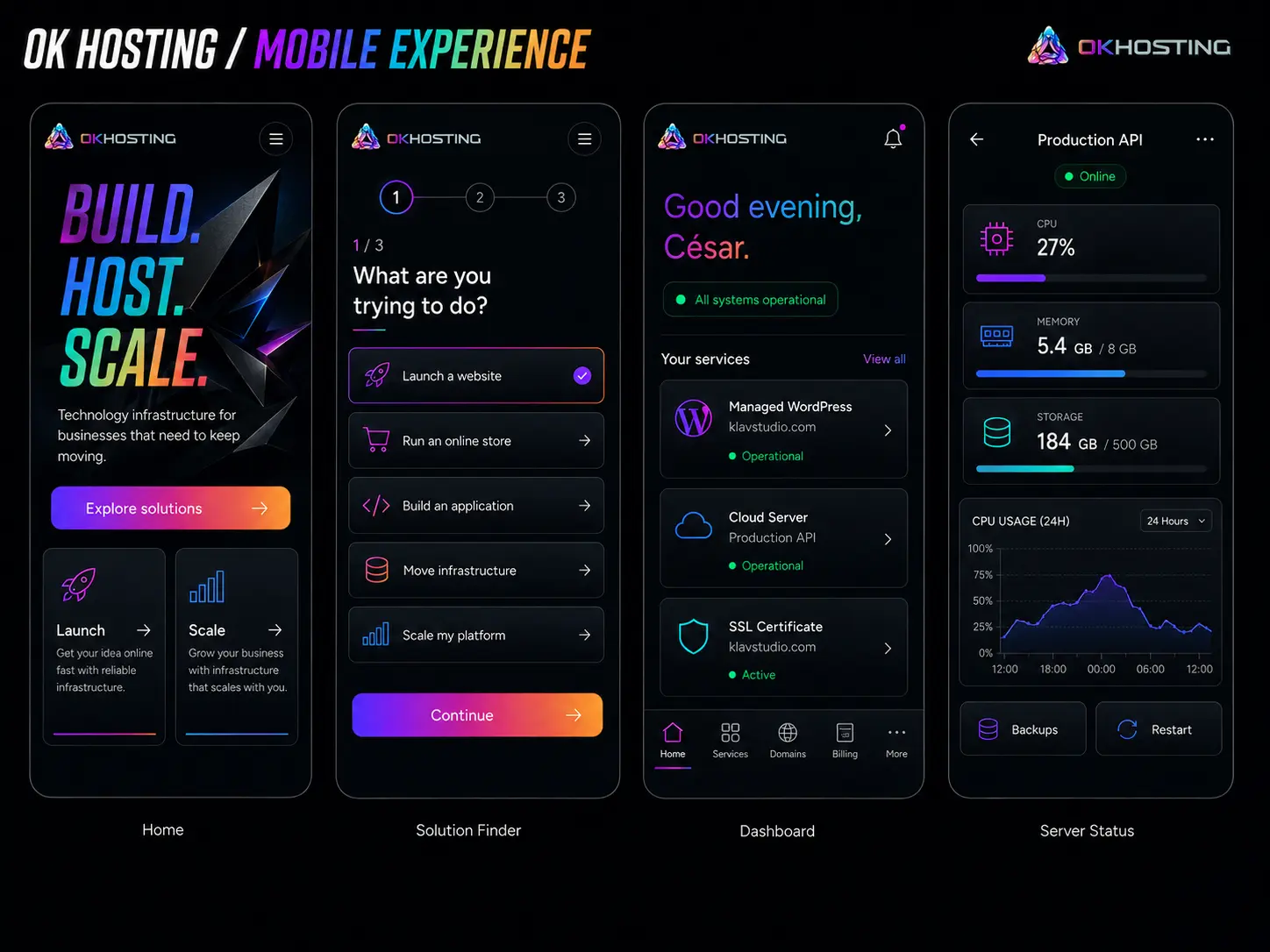
One interface from acquisition to operation.
The same visual language can continue after the sale. Marketing pages introduce the service. The customer environment turns the same components into operational tools for infrastructure, billing, domains, support and account management.
Conceptual product extensionGood evening, César.
Managed WordPress
raptoriano.com
OperationalCloud Server
Production API
Operationalklavstudio.com
Renews Nov 14
Manage →MX$1,899
Upcoming / October 12
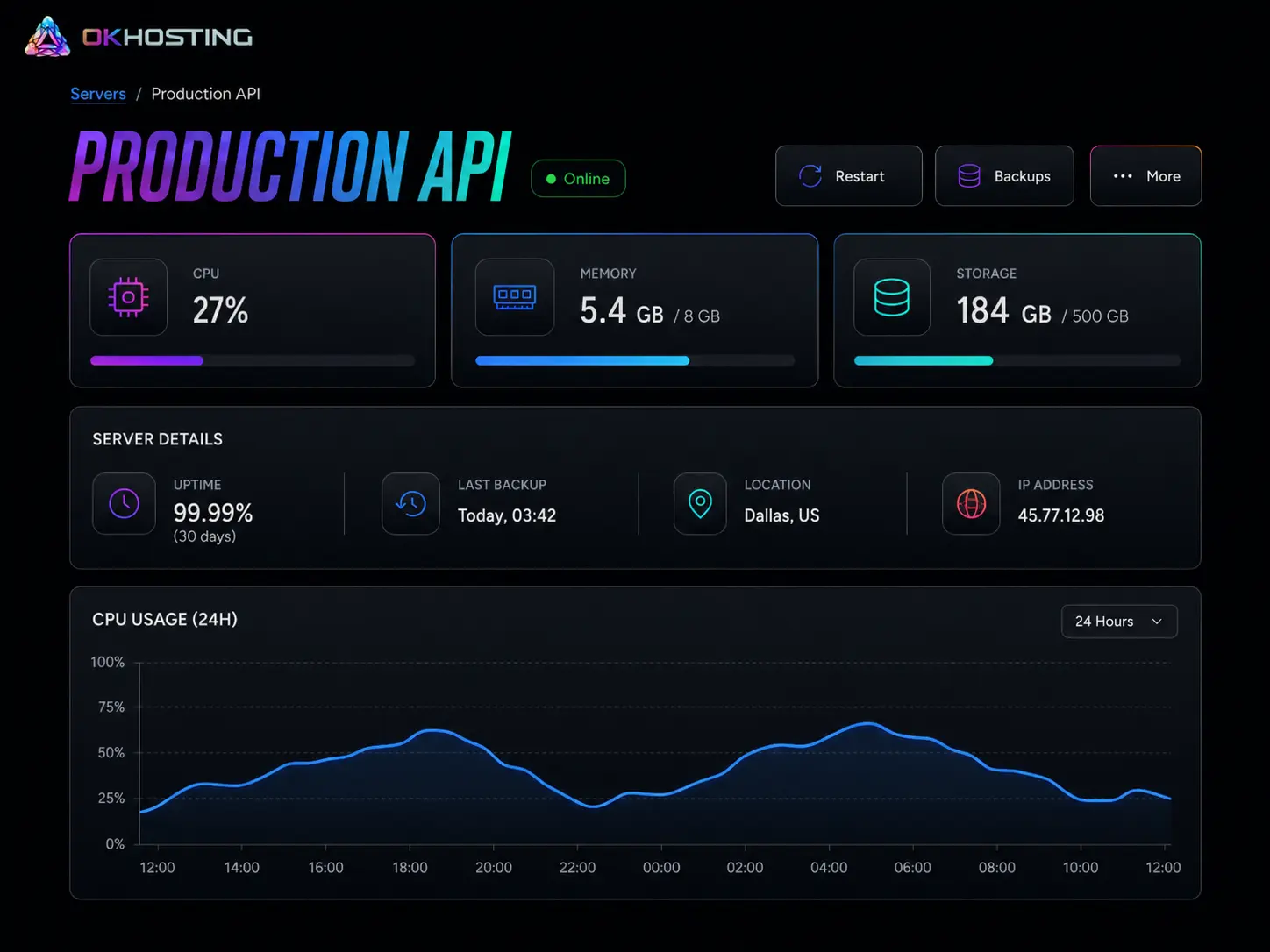
View invoices →Technical depth without visual noise.
Advanced users need specifications. Everyone else needs confidence. The interface separates operational status from configuration details, allowing both audiences to use the same environment without reducing the product to either raw technical data or oversimplified cards.
Configure before you buy.
Infrastructure pricing becomes easier to understand when customers can see the relationship between requirements and cost. A configurable purchasing flow turns technical specifications into an interactive product rather than a static price table.
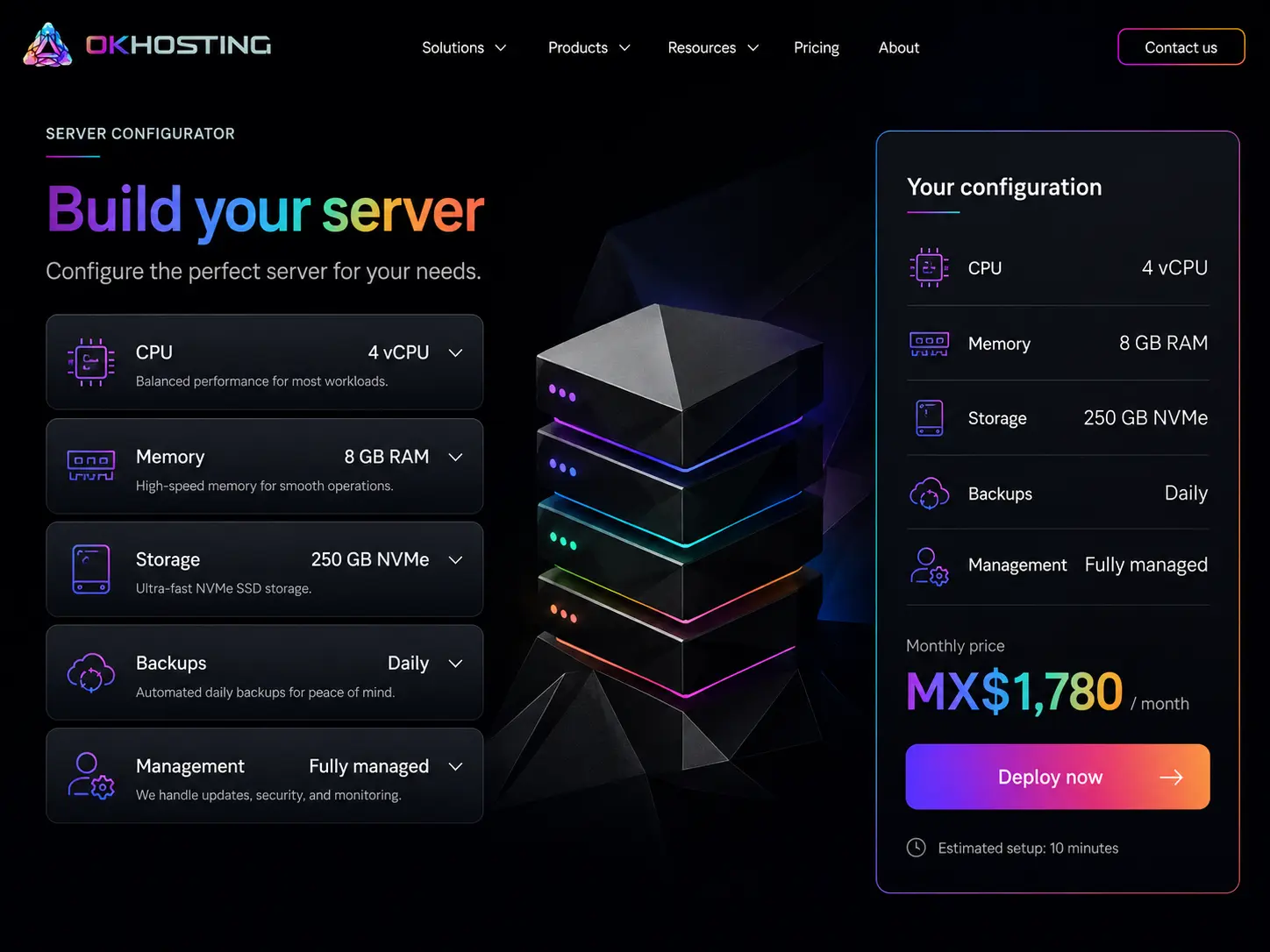
Designed as components, not pages.
A digital brand becomes significantly more useful when its visual decisions are encoded into repeatable components. Typography, spacing, navigation, status, cards, pricing, forms and data visualization are treated as a shared system that can expand across future products.
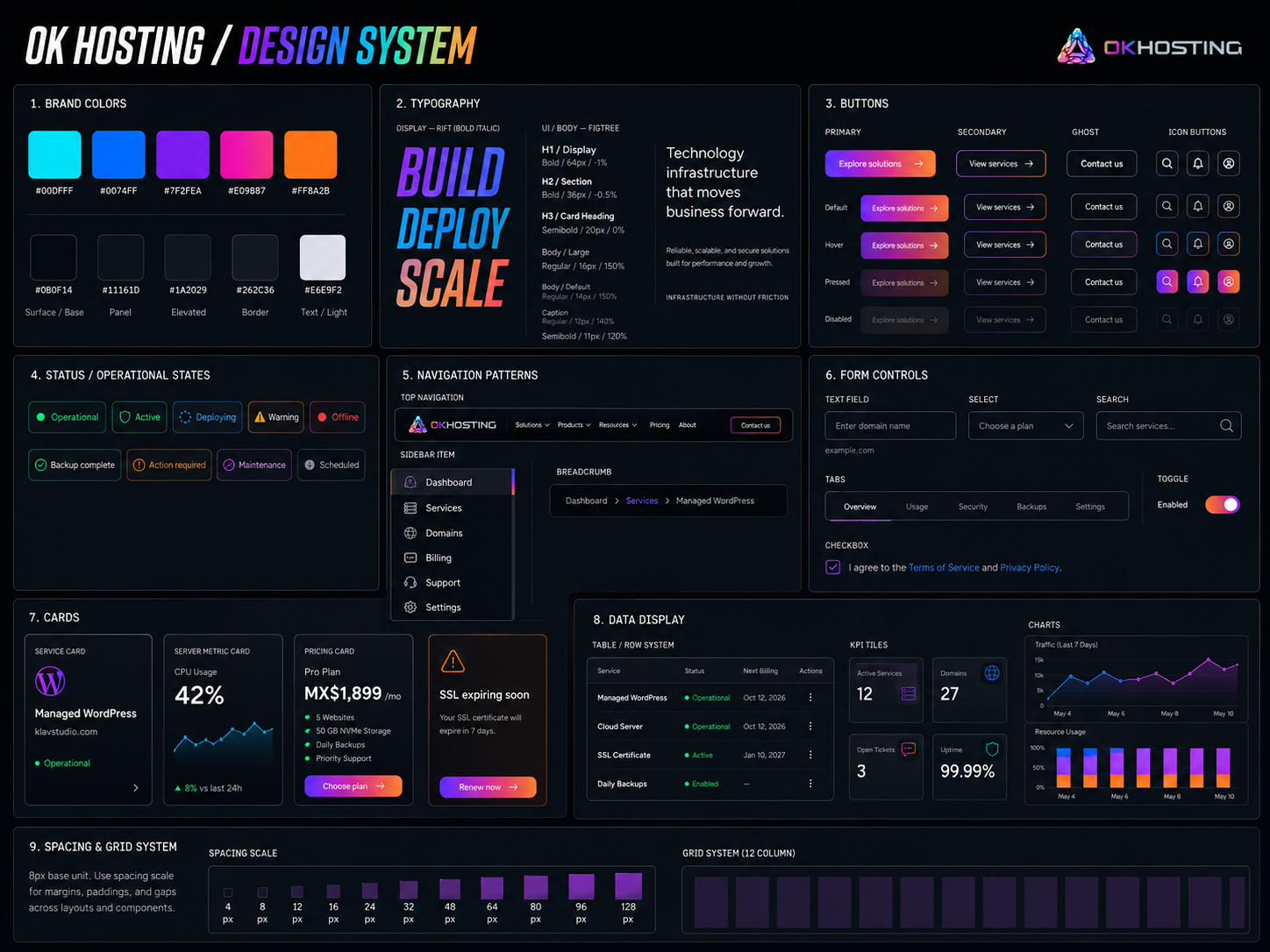
The interface language beyond the interface.
The system extends into the documents and communications surrounding the product: proposals, service reports, billing, sales material, technical documentation and lifecycle email. The goal is consistency across the moments where a technology company earns trust.
Managed infrastructure
for Klav Studio.
Prepared / 08.2026
Infrastructure,made understandable.
Infrastructure
performance
Scale without
losing control.
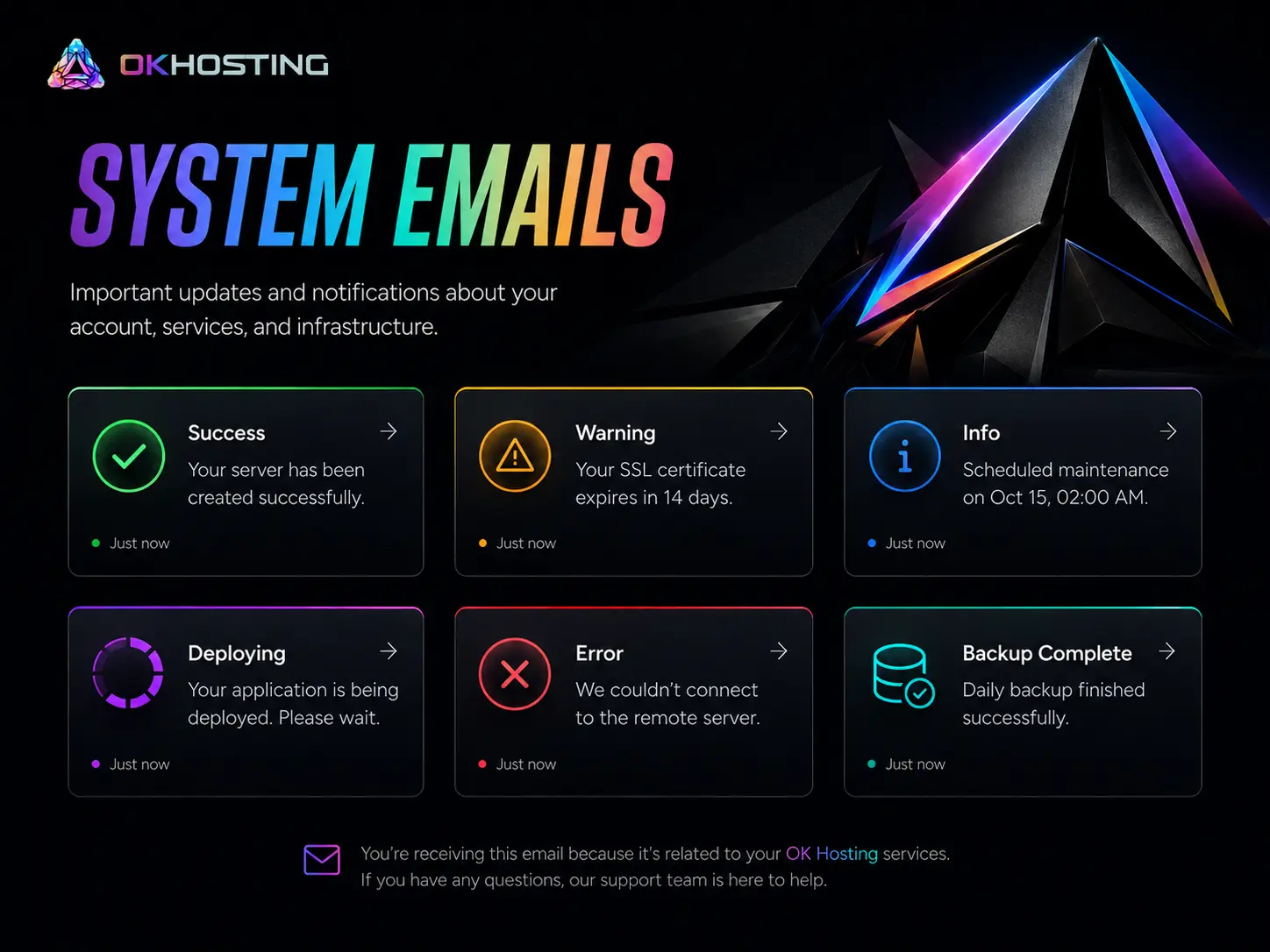
EXPLORE SOLUTIONS ↗Every system event is part of the brand.
Transactional communication is often one of the most frequent interactions between a technology company and its customers. Deployment confirmations, invoices, backup notifications, renewals and security alerts deserve the same hierarchy and clarity as the primary product.
Showing infrastructure as a process.
Small motion states make invisible operations understandable. Provisioning, configuration, deployment and system status can communicate progress without requiring users to understand the underlying infrastructure.
Where the project began.
My work around OK Hosting spans an earlier stage of my career. The material below belongs to that original period. The system presented throughout this case study is a retrospective reinterpretation: an opportunity to revisit the same company with the product, interface and systems thinking I use today.
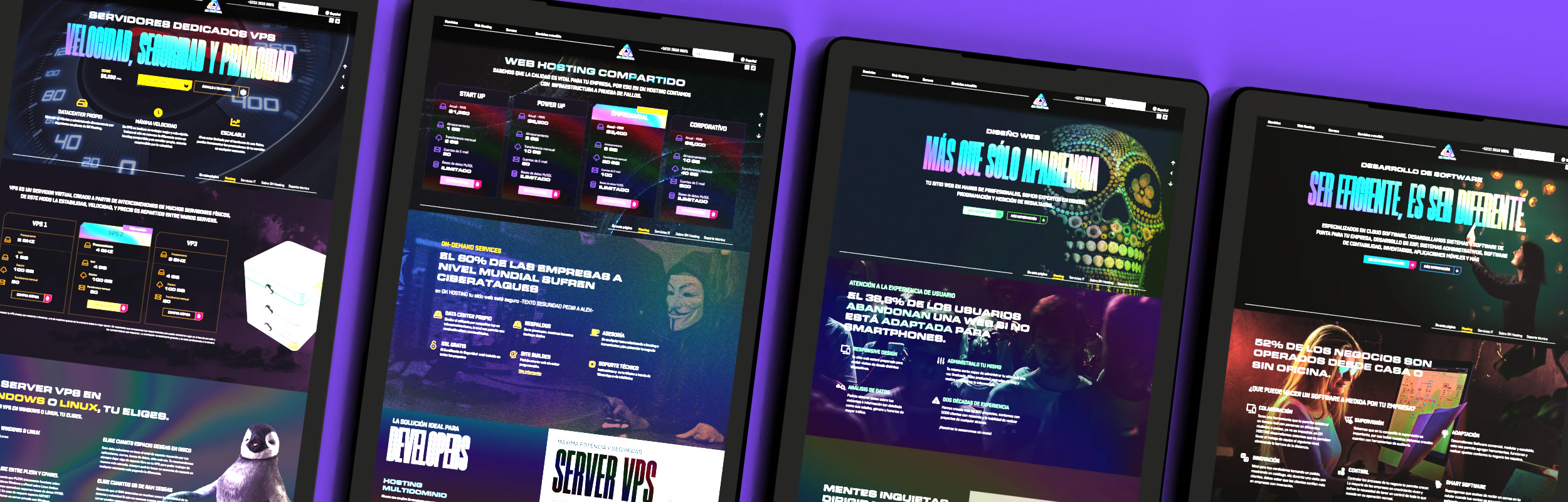

A brand can become infrastructure too.
Revisiting OK Hosting years later changes the scale of the problem. What originally appeared primarily as a communication challenge can now be understood as a systems problem: many services, many customer states and many technical interactions competing for clarity.
The strongest opportunity is therefore not a new visual identity in isolation. It is a shared language connecting the company, its products and the people using them.